How KarLink Scrubs VINs for Cleaner Parts Requests by Using the DOT NHTSA VIN Decoder (And Why It Matters to You)
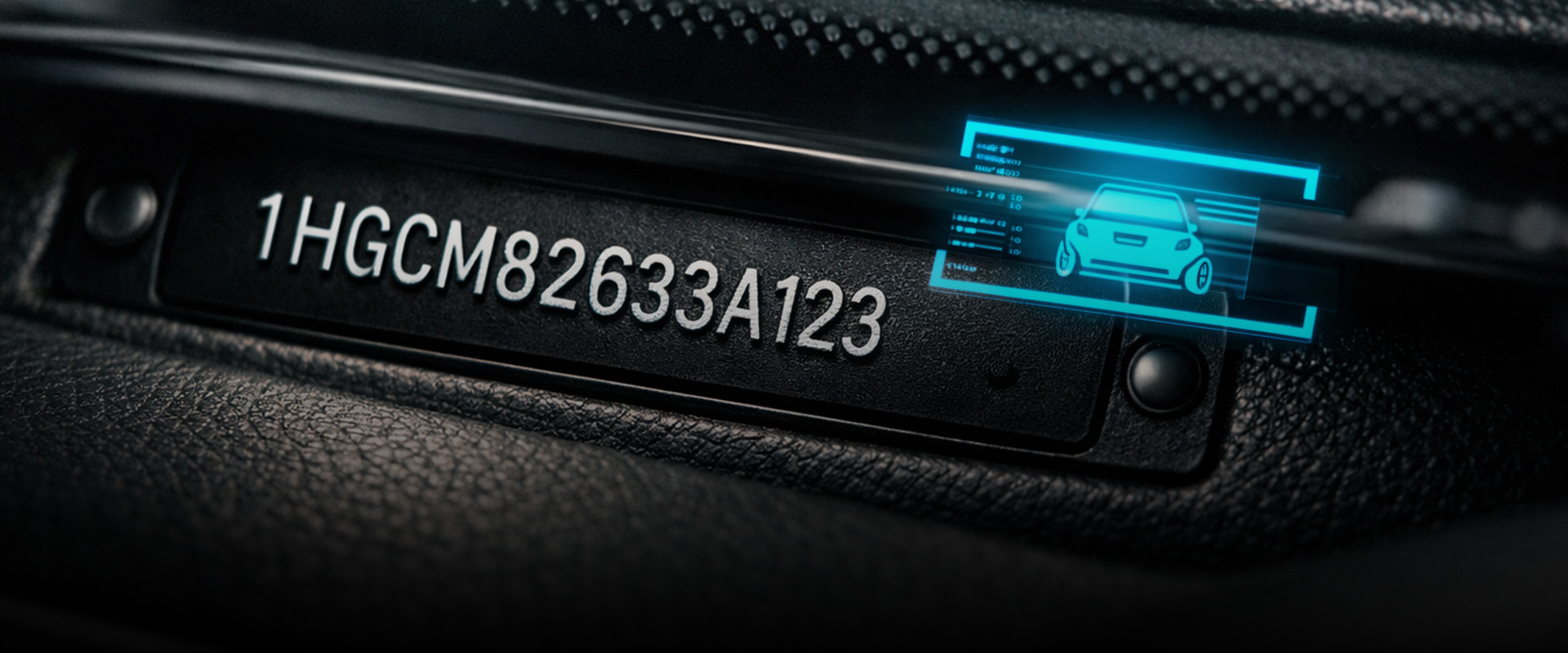
Every vehicle that rolls into your service drive carries a 17-character VIN. Most of the time it looks like this:
1FTFW1E50PFA12345
To a human, that’s a headache.
To KarLink, that’s a structured code regulated by the federal government and decoded through the official API from the National Highway Traffic Safety Administration (NHTSA) under the United States Department of Transportation (DOT).
That’s not just trivia. It’s why your parts requests are cleaner and more accurate.
What Happens When You Enter a VIN in KarLink?
When you type or scan a VIN into KarLink, the system quietly checks it against the official DOT database.
If everything lines up, KarLink automatically confirms:
- Year
- Make
- Model
- Trim
- Engine
- Body style
- Drive type
So instead of guessing whether that F-150 is a 3.5 EcoBoost or a 5.0, the system verifies it.
That saves:
- Advisors from back-and-forth corrections
- Technicians from getting the wrong parts
- Countermen from ordering the wrong components
- Managers from dealing with rework and delays
Behind the scenes, KarLink is basically saying, “Let’s make sure this vehicle is exactly what we think it is.”
Why This Has Been So Helpful
In the real world, VINs get typed wrong all the time.
O vs 0
I vs 1
Wrong trim
Wrong engine
Customer gave incomplete info
When that bad data enters the system, it spreads.
KarLink uses the official National Highway Traffic Safety Administration VIN Decoder API to “scrub” the VIN — meaning it validates and standardizes the vehicle data before it becomes part of your repair process.
That means:
- Cleaner parts requests
- Fewer corrections
- Better reporting
- More reliable history on returning customers
Clean vehicle data might not sound exciting, but it prevents a surprising amount of chaos.
The Nerdy (But Fun) Part
Here’s the cool part most people don’t realize:
A VIN isn’t random.
- The first 3 characters identify the manufacturer.
- Characters 4–8 describe the vehicle attributes.
- The 9th character is actually a mathematical check digit used to validate the VIN.
- The 10th character encodes the model year.
Yes — there’s literal math baked into your dashboard.
When KarLink checks a VIN, it’s not just reading letters. It’s verifying structure, running validation logic, and confirming it against federal reporting data.
Seventeen characters. A compressed biography of a machine.
That’s kind of awesome.
What Happens When the API Is Down?
Now let’s be honest.
The DOT’s NHTSA API is a government service. And like any external service, it occasionally has downtime.
When that happens:
KarLink will attempt to verify and scrub the VIN — but it won’t receive confirmation.
If that verification fails, you may notice:
- A slight delay in processing a parts request
- A vehicle not auto-populating instantly
- The system retrying in the background
KarLink doesn’t just give up immediately. It tries to confirm the VIN before moving forward, because accuracy matters.
If the API is temporarily unavailable, you can still proceed — but the automated scrubbing may not complete until the service is restored.
In short: if things feel a little slower sometimes, it’s usually KarLink trying to protect your data.
Why It Matters Long Term
Accurate vehicle information does more than help today’s repair order.
It helps:
- Track accurate vehicle history
- Improve reporting
- Reduce mis-ordered parts
- Keep service operations smoother
The less guessing that happens at the beginning, the fewer problems show up later.
That’s the philosophy.
Most of the time, you’ll never notice this working. You’ll just notice fewer corrections. Fewer wrong parts. Cleaner vehicle records. And that’s the quiet magic of letting a federally regulated VIN system do the heavy lifting while you focus on the work that actually matters — fixing cars and serving customers. The strange thing about good infrastructure is that when it works well, it feels invisible. And invisible systems that quietly prevent mistakes are often the most valuable ones in the building.
Leave a Reply